The Protein Number That Actually Matters
New pooled analysis of 49 trials lands on a target most men still undershoot — and explains exactly where the ceiling is.

Dev Sharma
Nutrition Editor
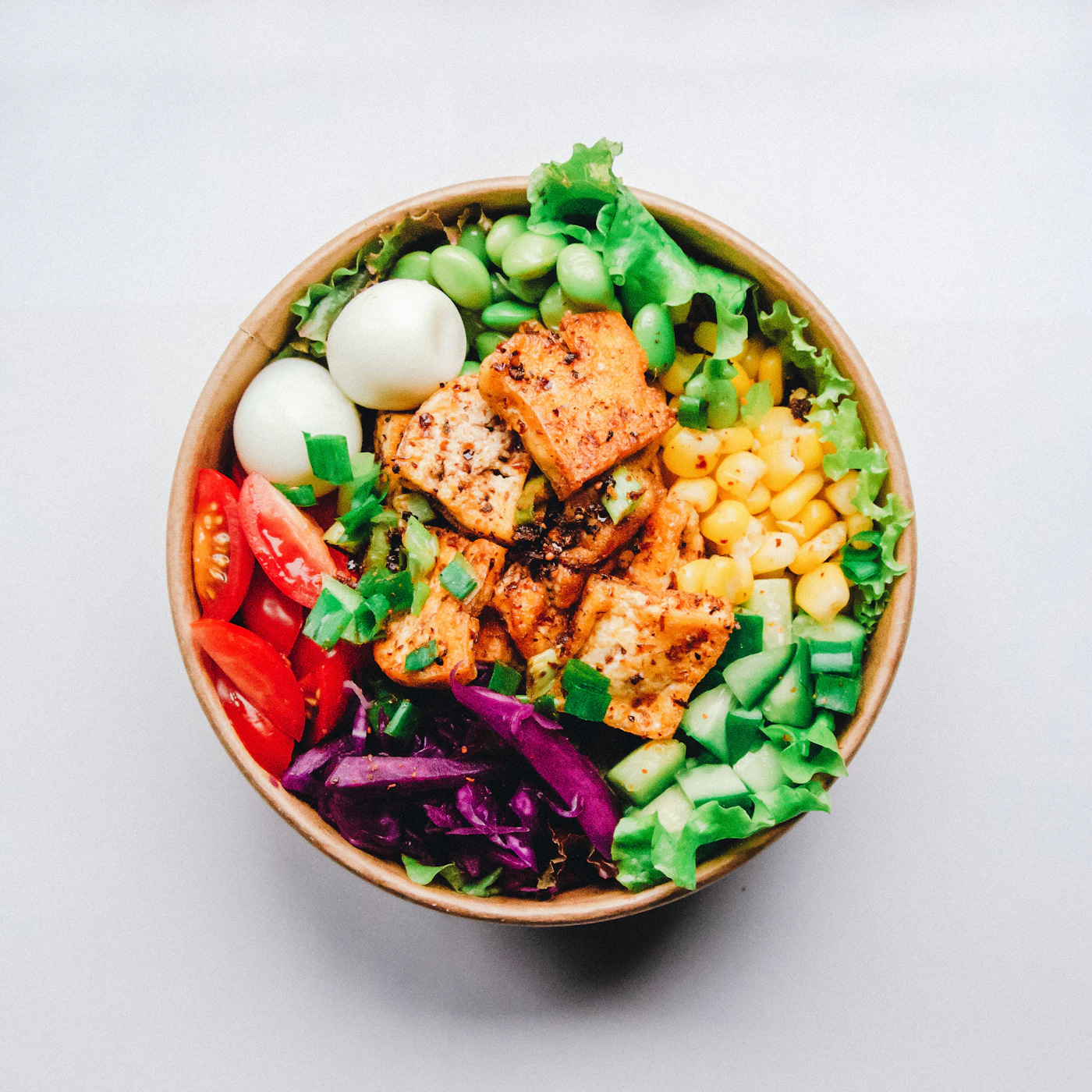
For fifteen years the argument has been whether 1.6 grams of protein per kilogram of bodyweight is the real ceiling for muscle gain. A new pooled analysis of 49 randomised trials puts the question to bed, and the answer is more useful than a single number.
The benefit curve rises steeply to 1.6 g/kg, keeps climbing gently to about 2.2 g/kg, and then flattens hard. Below 1.2 g/kg, adding protein produces the largest measurable returns of any nutrition intervention we have. Above 2.2, the extra grams stop buying muscle and start buying expensive urine.
Distribution beats timing superstition
The tired advice to slam 40 grams within a 30-minute window is not wrong so much as irrelevant. Total daily intake and even distribution across three to five meals explain far more of the variance. Aim for 0.4 g/kg per meal, spread across the day, and the anabolic window widens to a door.
- Breakfast: 40 g — three eggs plus Greek yoghurt and a scoop of whey.
- Lunch: 45 g — 200 g chicken thigh, rice, whatever vegetables survive the fridge.
- Dinner: 45 g — 250 g lean beef or salmon with potatoes.
- Optional fourth meal: 25 g — cottage cheese before bed, if you train late.
What we would ignore
Collagen marketing, amino acid spiking claims and any product that lists protein in “proprietary blend” units. Buy plain whey, eat real food first, and treat every other supplement as a rounding error on top of a diet that already works.

Written by
Dev Sharma
Nutrition Editor · Chicago, IL · 156 articles
Registered dietitian who spent six years in professional rugby kitchens. Allergic to fad diets and to under-seasoned chicken.